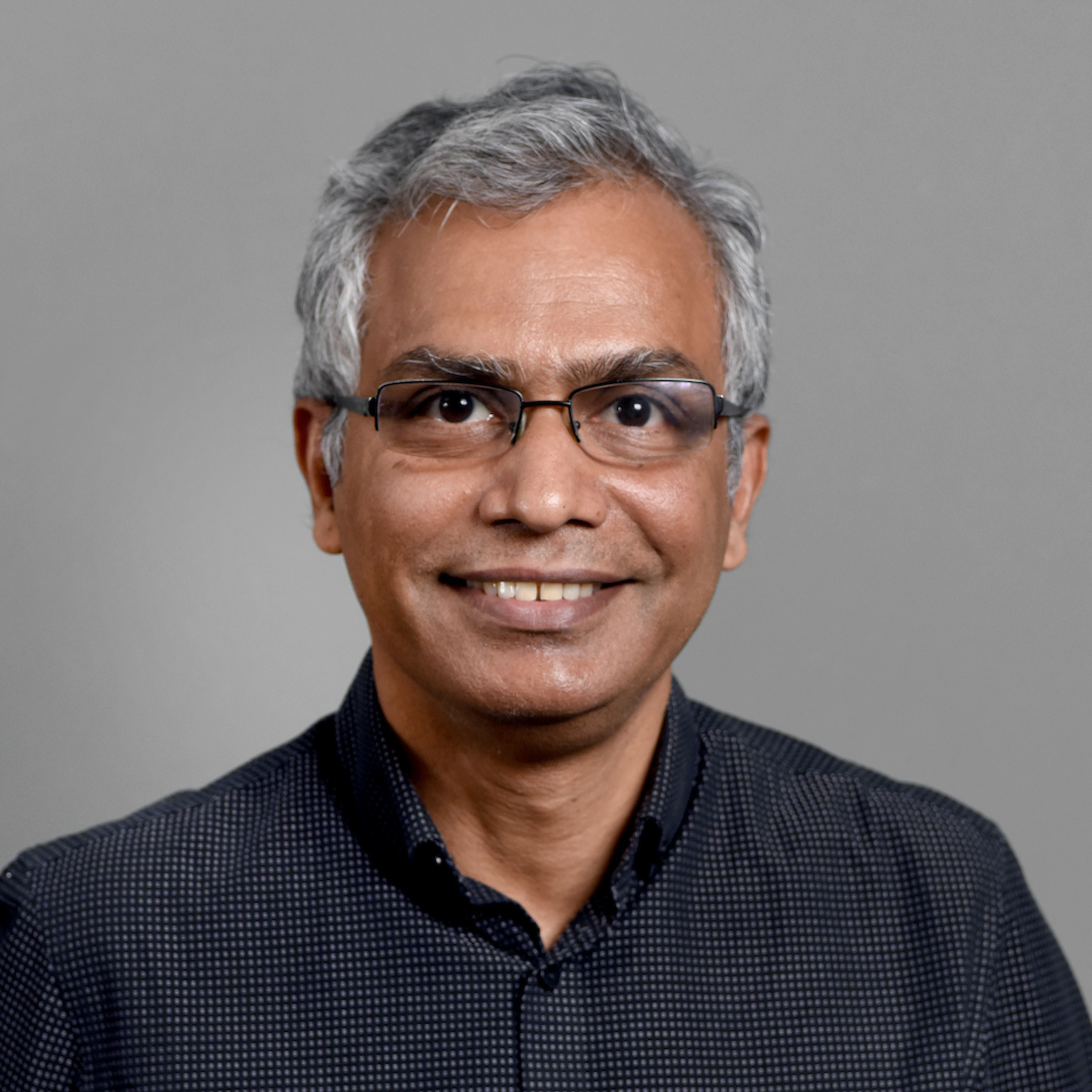
Subbarao Kambhampati
Professor, School of Computing & AI, Arizona State University
WebsiteTentative talk title

Workshop at NeurIPS 2026
Embodied agents need neural perception, symbolic reasoning, and shared semantics to plan, learn, and act reliably.
NEmo focuses on embodied neuro-symbolic AI: the integration of learned perception, reinforcement learning, large language models, planning, and structured symbolic knowledge in agents that act in physical or richly simulated environments.
Robotic and interactive agents must perceive changing worlds, reason over goals and constraints, execute long action sequences, and recover when assumptions fail. In this setting, hallucinated preconditions, brittle domain models, and ungrounded affordance knowledge become safety and reliability problems.
The workshop is designed for researchers in machine learning, knowledge representation, planning, robotics, human-robot interaction, semantic web, and trustworthy AI who are working on adjacent parts of the same problem.
NeurIPS 2026
December 12, 2026
Sydney, Australia
The programme is organised around three technical challenges.
Interfaces for learning, revising, and verifying symbolic action models while learned components handle perception and low-level control.
Reliable use of LLMs as domain-model elicitors, policy priors, symbolic constraint generators, and natural-language interfaces.
Reusable knowledge layers connecting environments, object affordances, robot capabilities, plans, and execution traces.
A one-day, in-person workshop of roughly 8.5 hours.
The format combines keynotes, paper presentations, posters, demos, and structured breakout discussions. Organizers will introduce and moderate; keynotes will come from external speakers.
The goal is to leave the day with a short public report covering open problems, shared assumptions, and candidate benchmarks or semantic layers.
Demos are expected to be laptop-, video-, or browser-based unless additional equipment is secured.
Meet the invited speakers joining NEmo 2026.
Professor, School of Computing & AI, Arizona State University
Website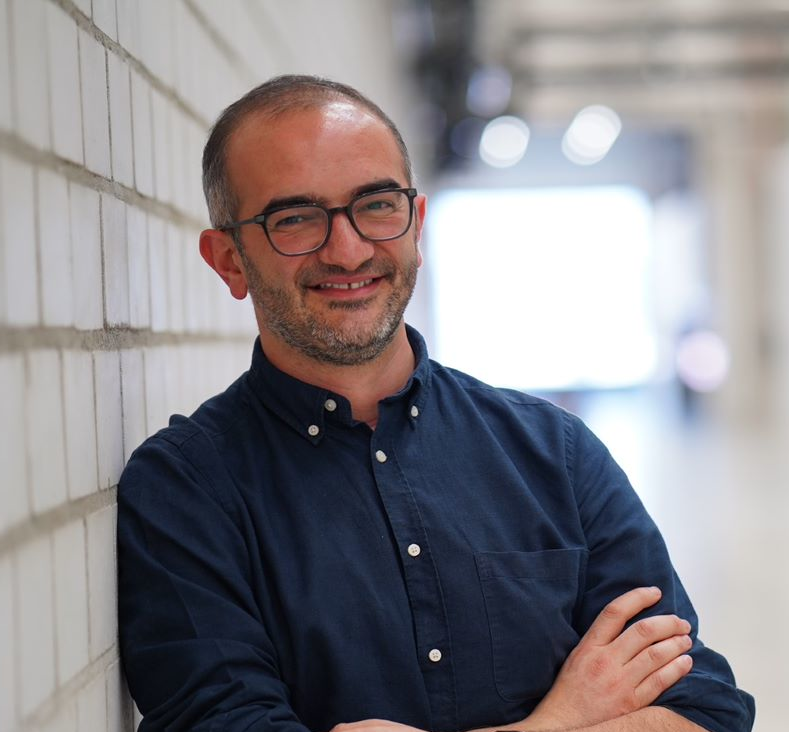
Contributed work is non-archival and managed through OpenReview.
sglblindworkshop.Workshop timeline.
The team spans robotics, planning, reinforcement learning, neuro-symbolic AI, semantic web, and knowledge graphs.
Emanuele Musumeci